01
The German defensive system
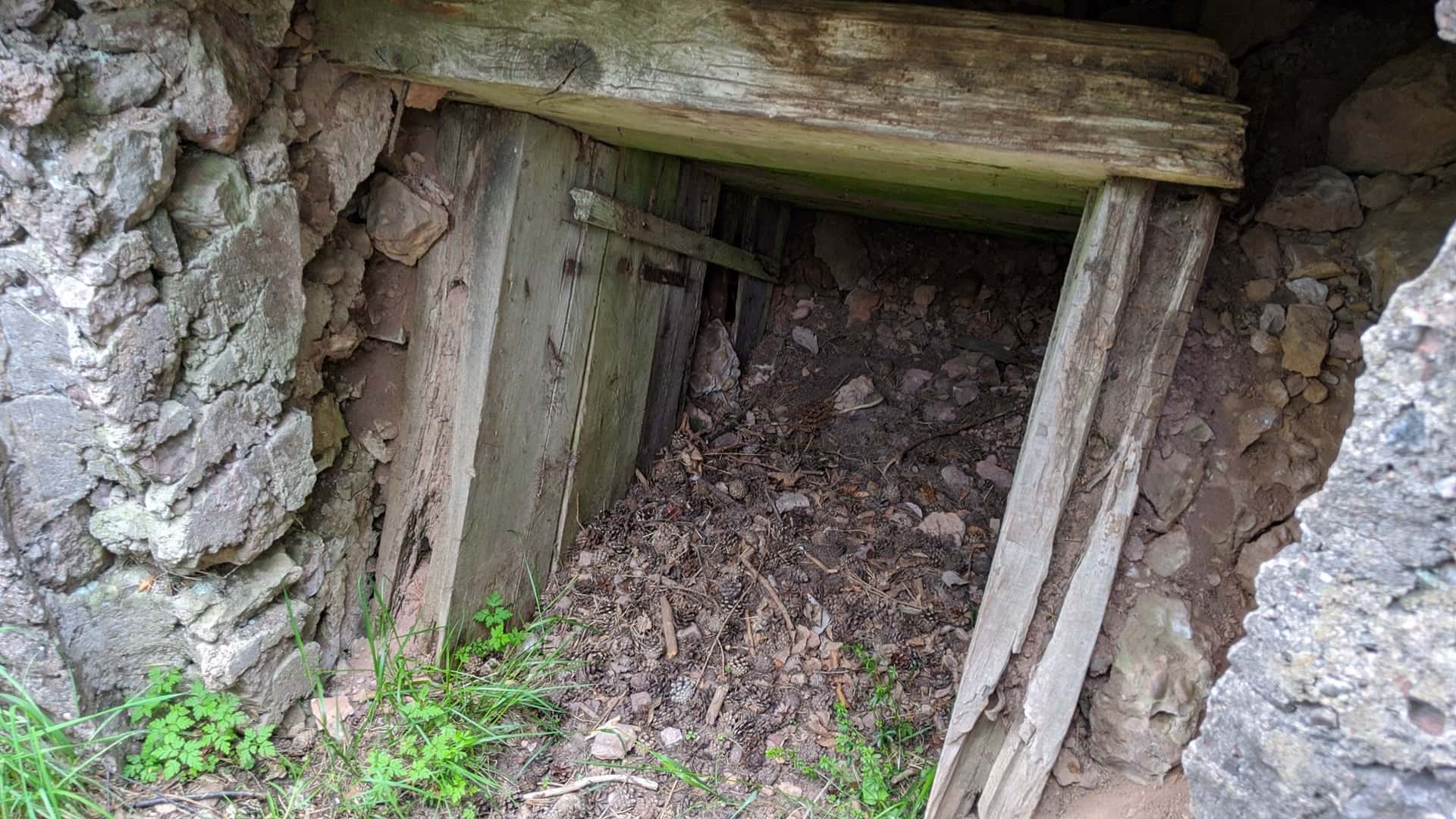
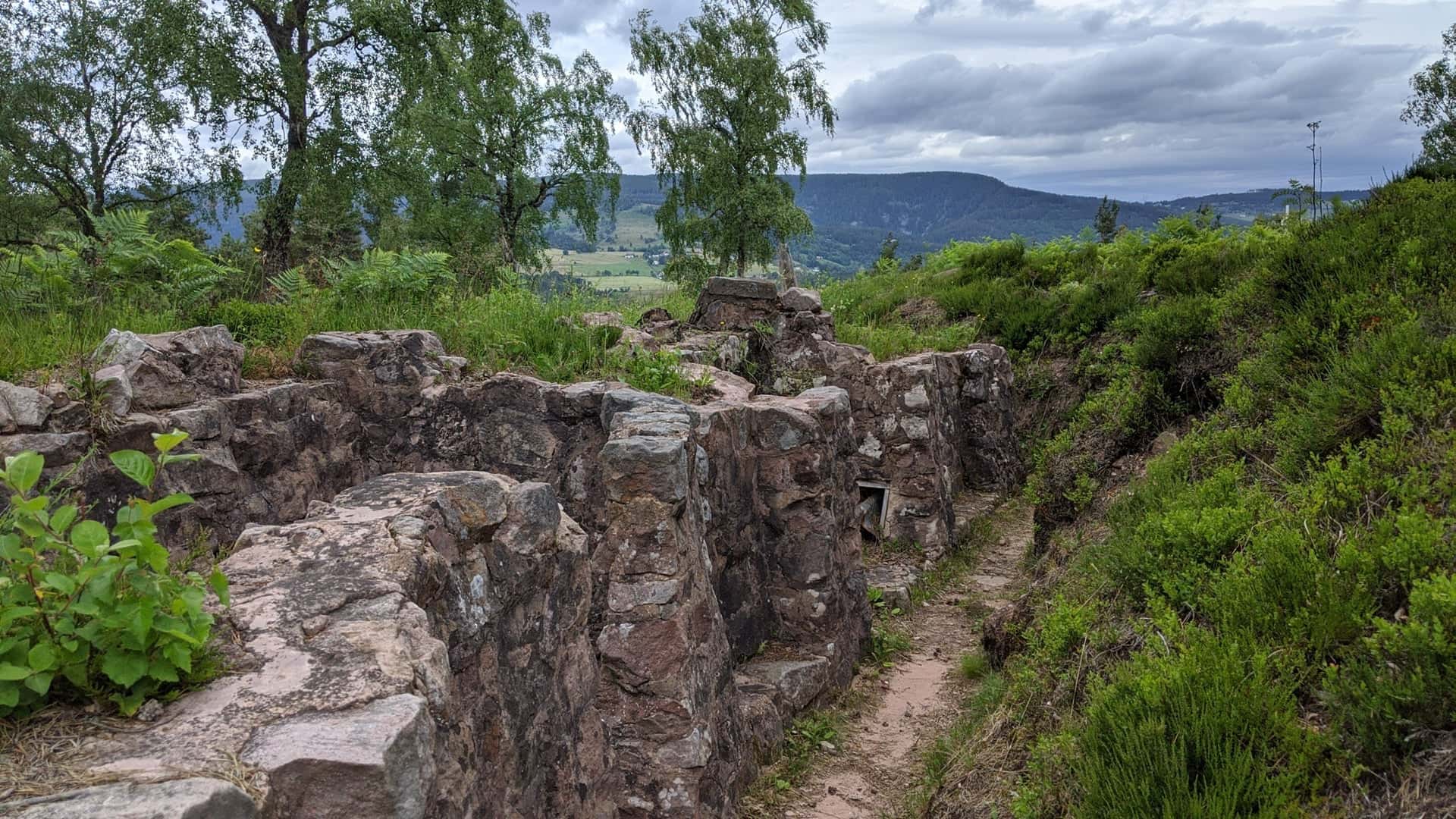
Blockhouses, fighting shelters and observation posts in concrete and stone. Almost a century on, the structures are still standing.
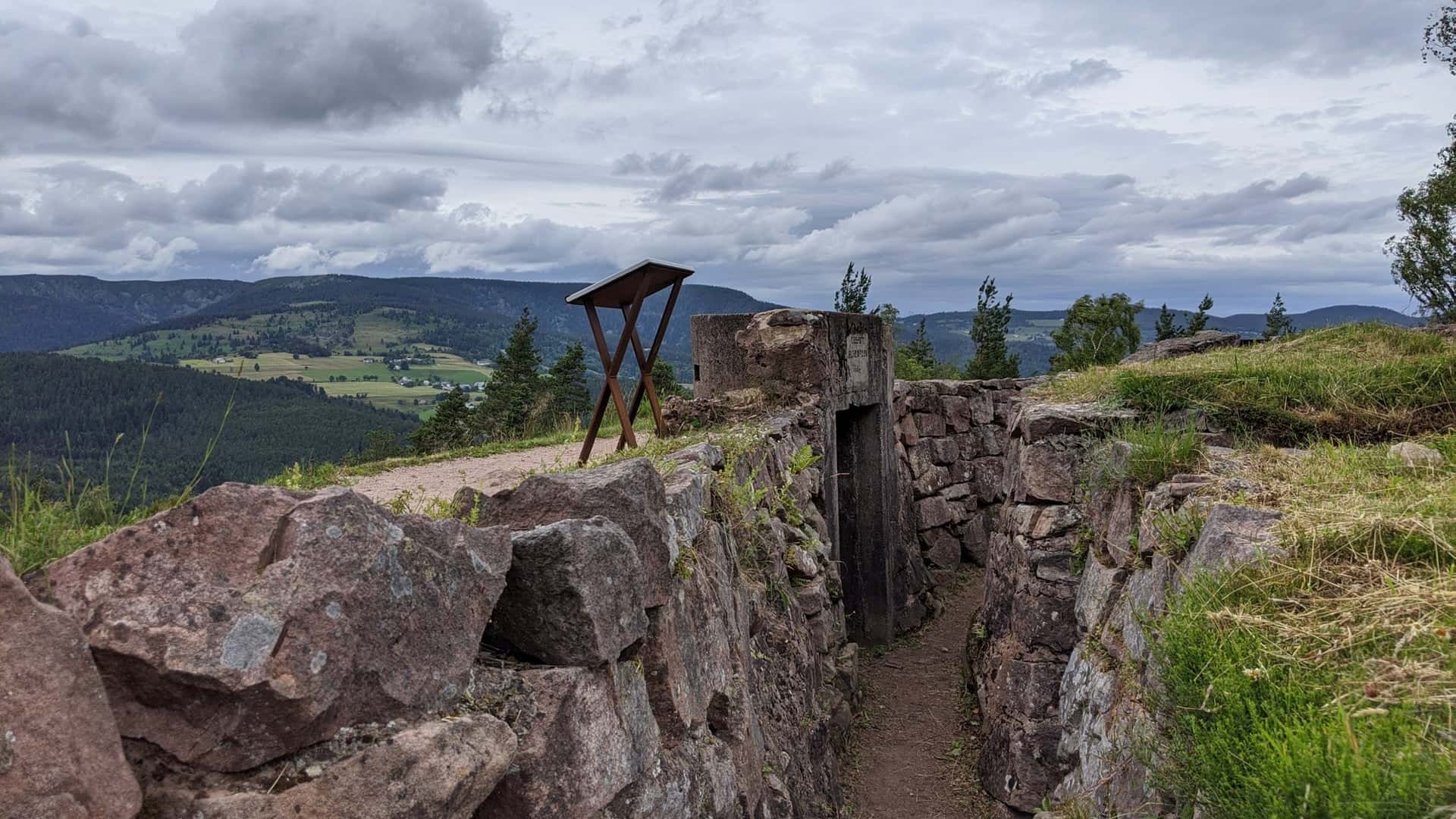
A 1915 battlefield left exactly as it was, at 987 m on the ridge between Orbey and the Munster valley.
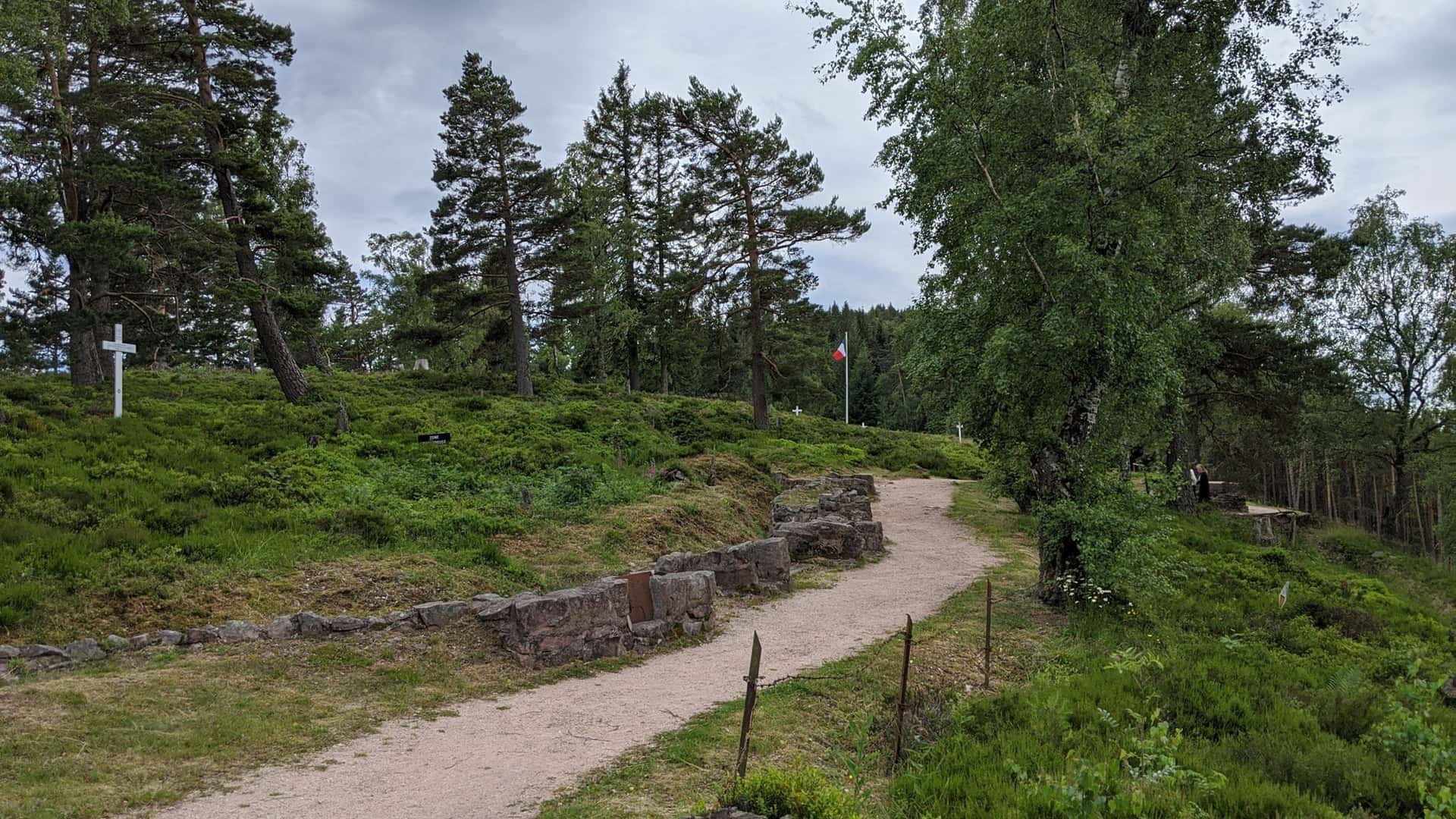
The museum sits at the Collet du Linge, at 987 m, on what used to be the front line. The ground was never cleared or landscaped: on one side of the path stands the German defensive system, blockhouses, shelters and observation posts in concrete and dressed stone, built under cover of the forest; on the other, a few metres away, what remains of the French trenches dug into loose earth and sandstone. The visit comes in three parts: a twenty-minute film, the museum, then the walk outside. Three freely accessible routes, from 30 minutes to an hour and a half, let you set your own pace. The site is run by the volunteers of the Mémorial association.
Before 1914 the Linge was an unremarkable wooded ridge, on land that had been German since 1871. In the autumn of 1914, after the French pulled back, the German command set about turning it into a major defensive position. A long, hard winter delayed the French plan of attack and gave German sappers time to line the position with concrete, keeping the forest cover intact. When the assault came on 20 July 1915, French chasseurs found a position barely dented by heavy artillery firing at the edge of its range. The fighting lasted until 16 October 1915 and cost around 17,000 casualties, killed, wounded and missing combined, for almost no ground gained. The front then froze until 1918. The ridge was listed as a historic monument in 1921, then forgotten for nearly fifty years, until a veteran and a historian from Colmar reopened the site. The museum was inaugurated on 9 August 1981. Several hundred soldiers still lie in the ground of the battlefield.
What you really shouldn't miss during your visit.
Blockhouses, fighting shelters and observation posts in concrete and stone. Almost a century on, the structures are still standing.
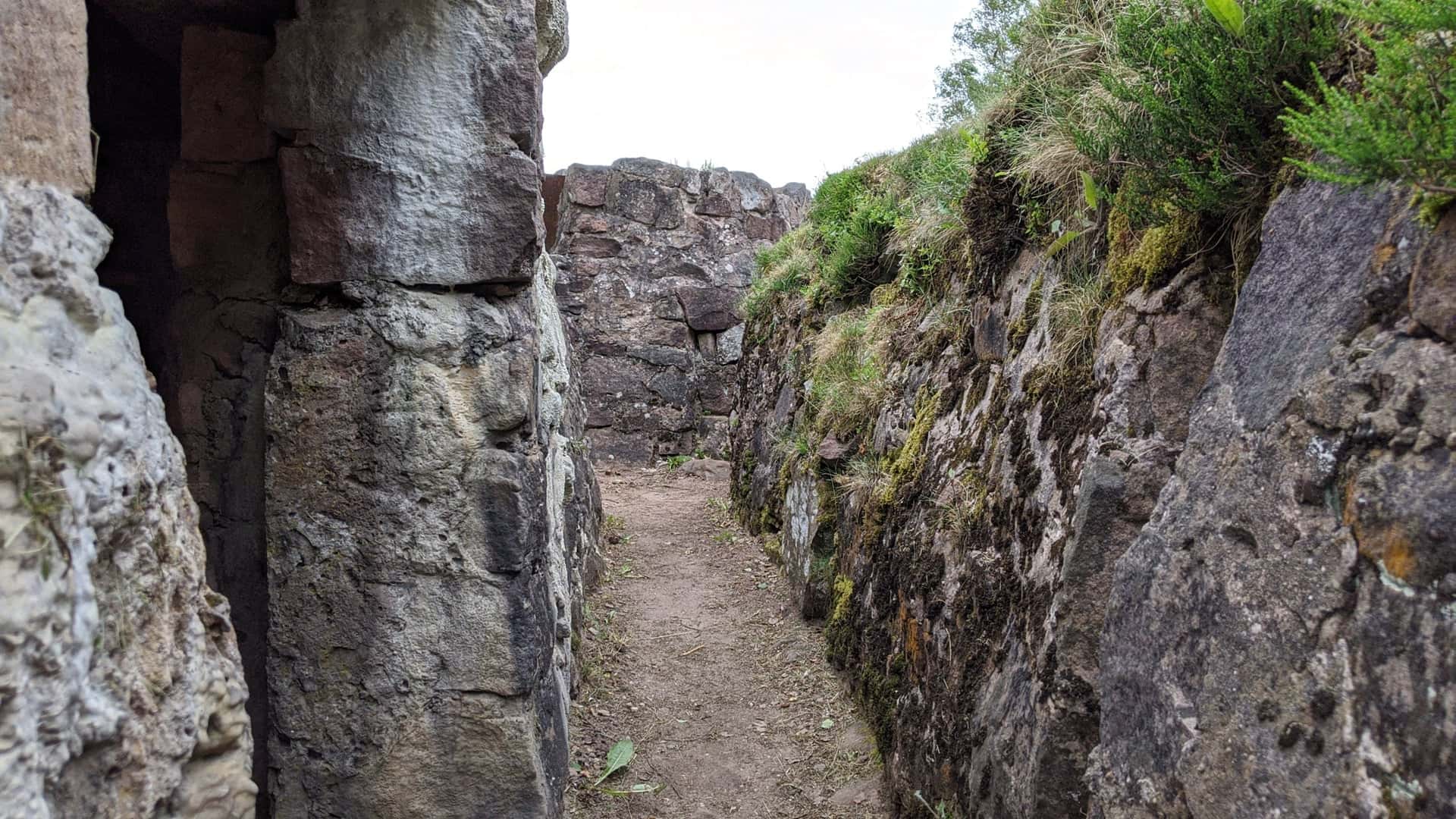
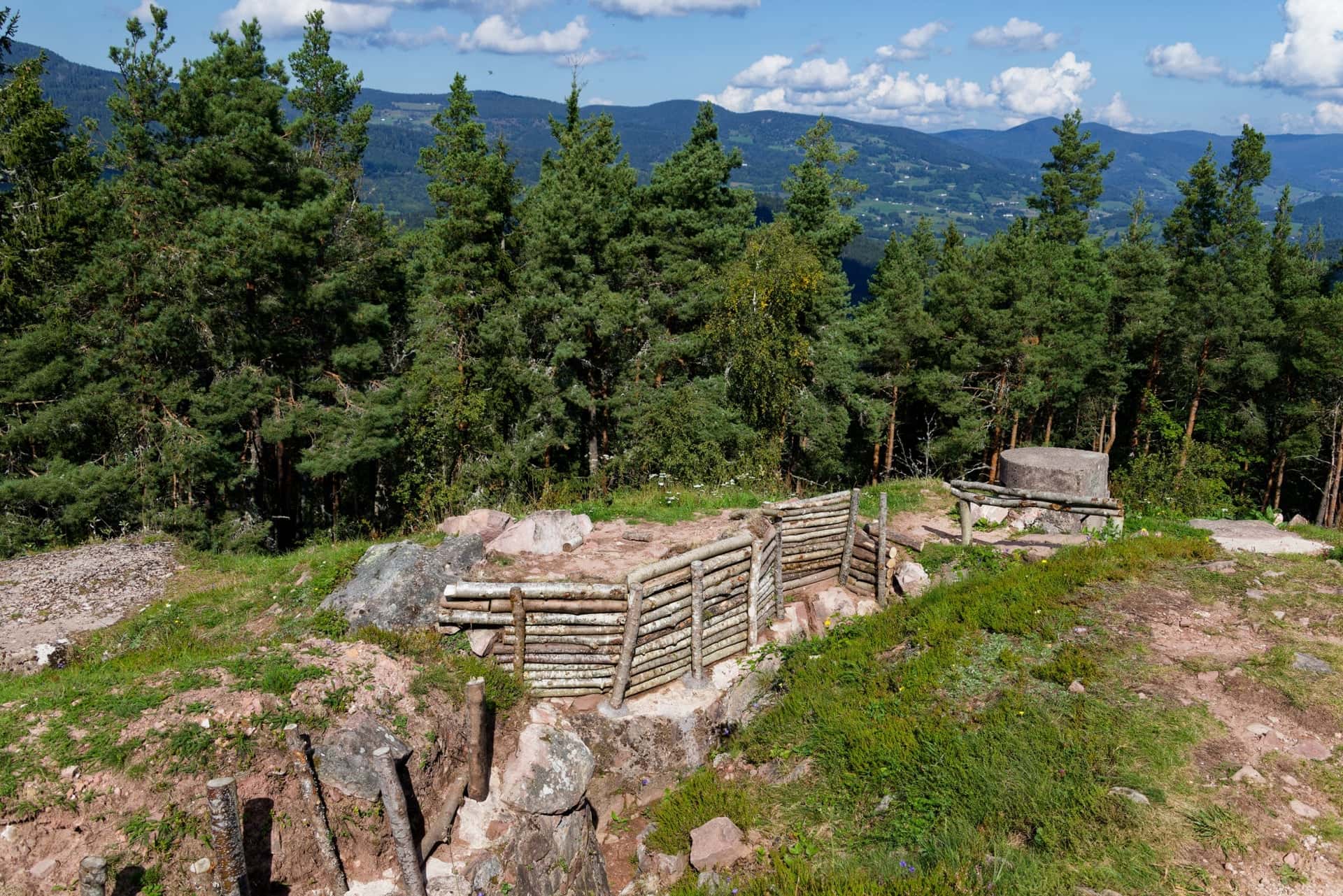
Dug into loose earth and sandstone, metres from the positions opposite. The contrast needs no explaining.
Uniforms, weapons, letters, personal effects, photographs and operational maps, most of them recovered from the battlefield itself.
From 30 minutes to an hour and a half through the original trenches, listed as a historic monument since 1921. Pick one to suit your time and your legs.
"Sur les traces des soldats", handed out at reception, with interactive terminals inside the museum. French only.
The Wettstein national necropolis, over 3,500 French soldiers, and the German cemetery at Hohrod-Bärenstall, around 2,460 graves, sit either side of the battlefield.
The place from several angles, to prepare your visit.
Our cottage for 9 and our caravan for two are just 5 minutes away, in pure nature.
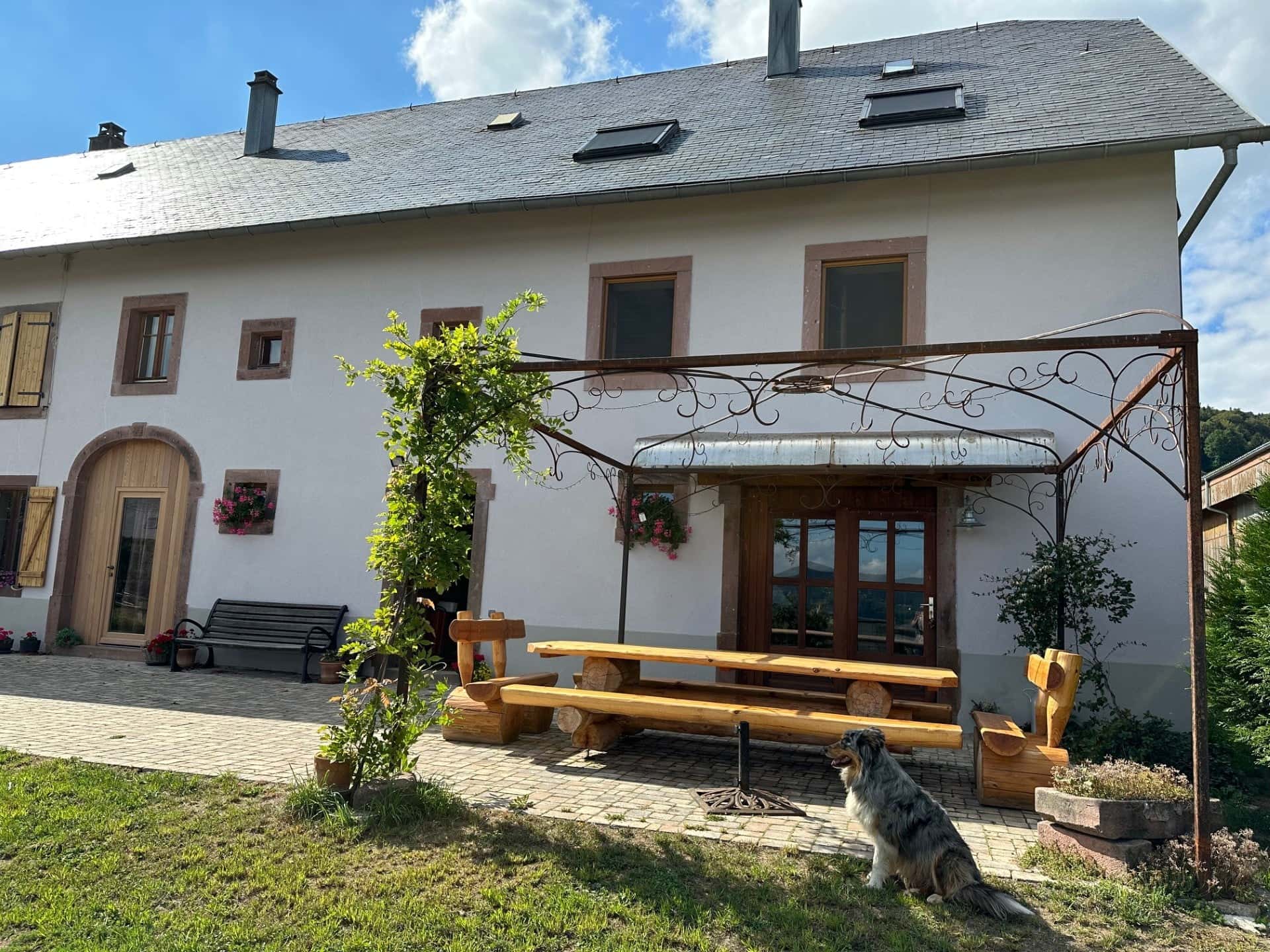
The Cottage
Large and warm, perfect for families and groups of friends who want a comfortable base to explore the region.
Up to 9 guests
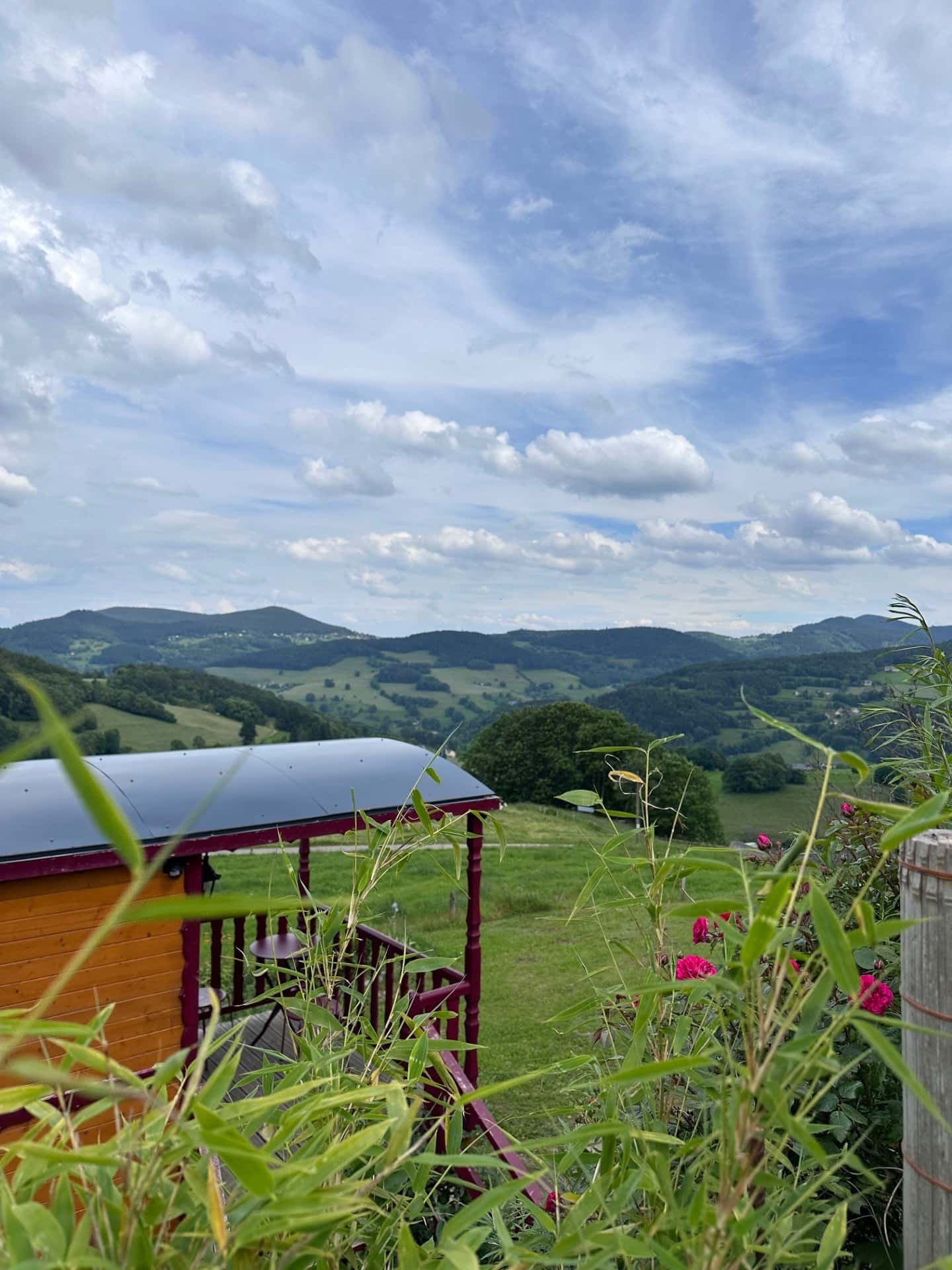
The Caravan
A quiet escape for two, set in the meadows. Alcove bed, kitchenette, views over the Vosges straight from the bed.
2 adults (+1 child)