Museum of Woodworking Trades and Heritage
Machines from 1856 to the 1950s

Museum of Woodworking Trades and Heritage

Whole workshops taken apart and rebuilt by volunteers, and century-old machines they start up in front of you.

Labaroche (pays welche)
Era
Woodworking trades
Tour length
About 2h
Location
Labaroche (pays welche)
From
€8 adult, €4 ages 6 to 17
The site

What to know

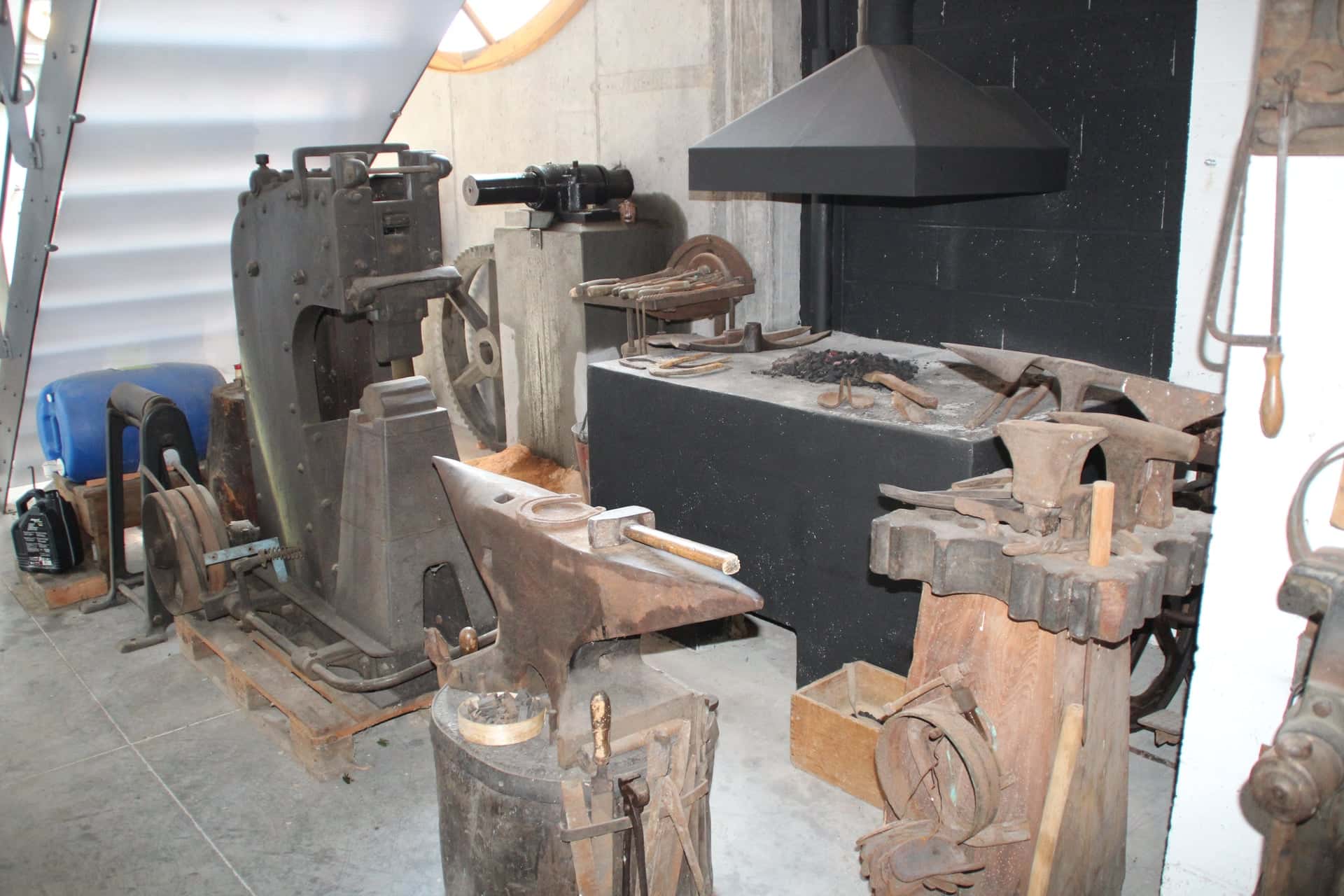
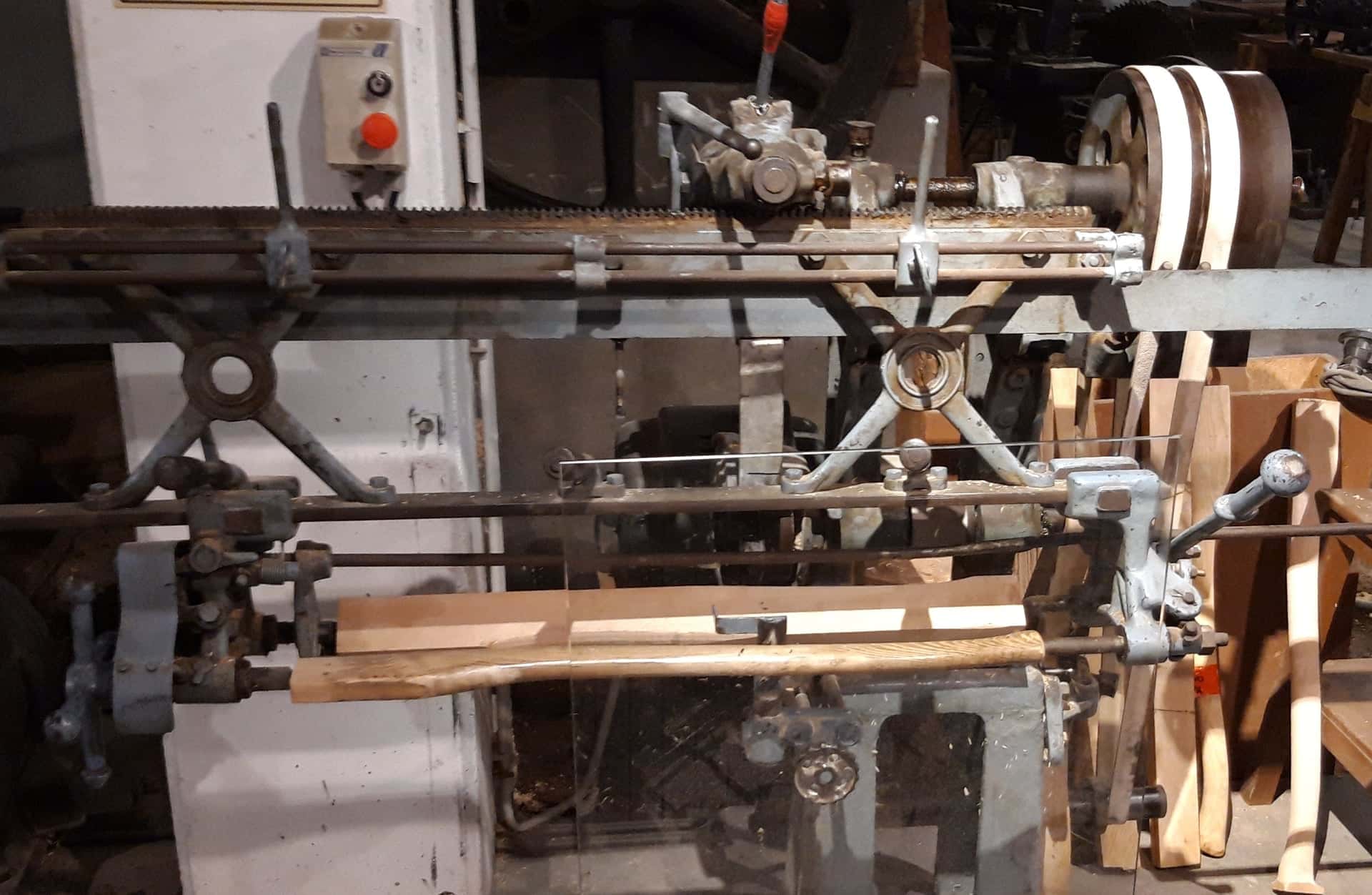
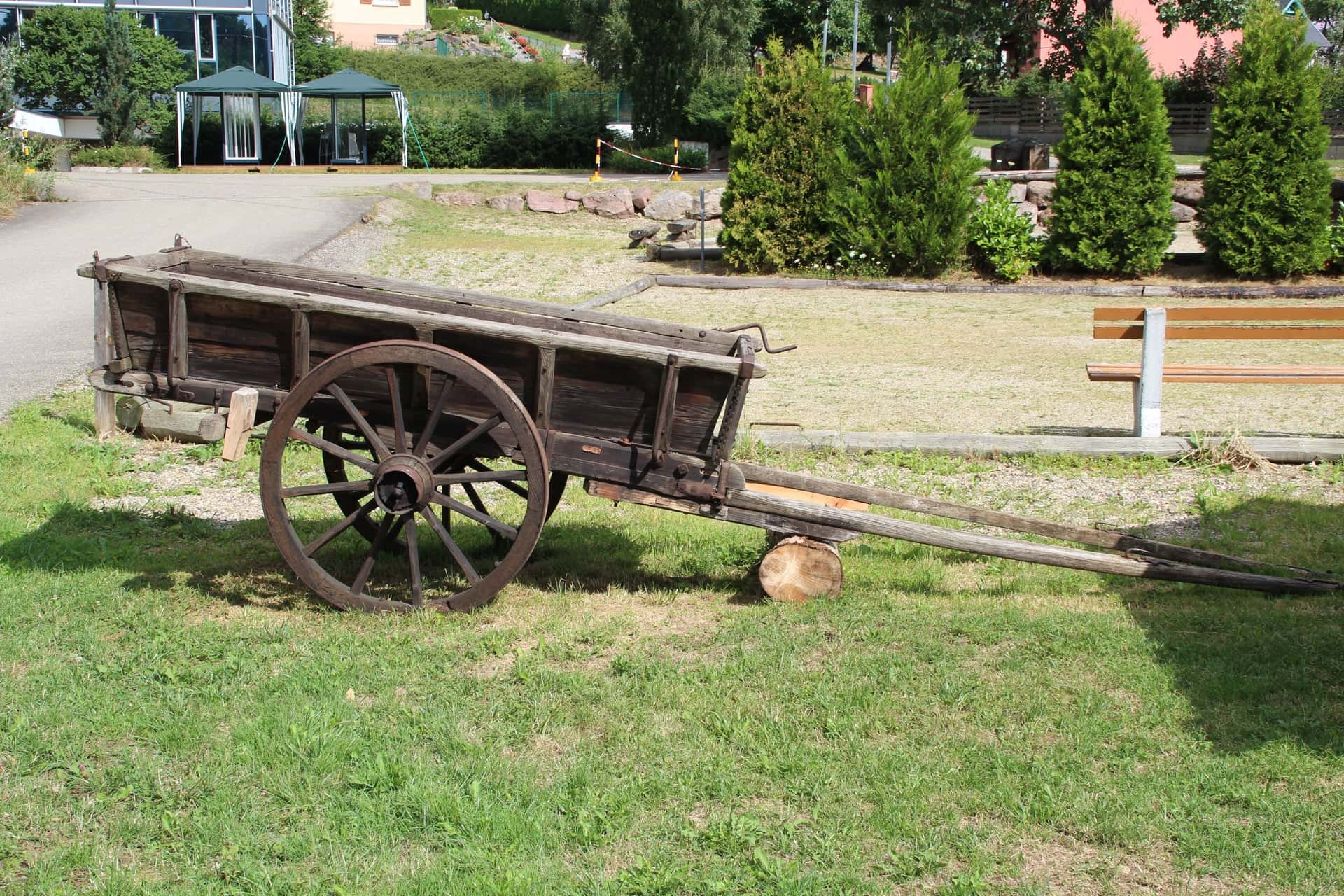
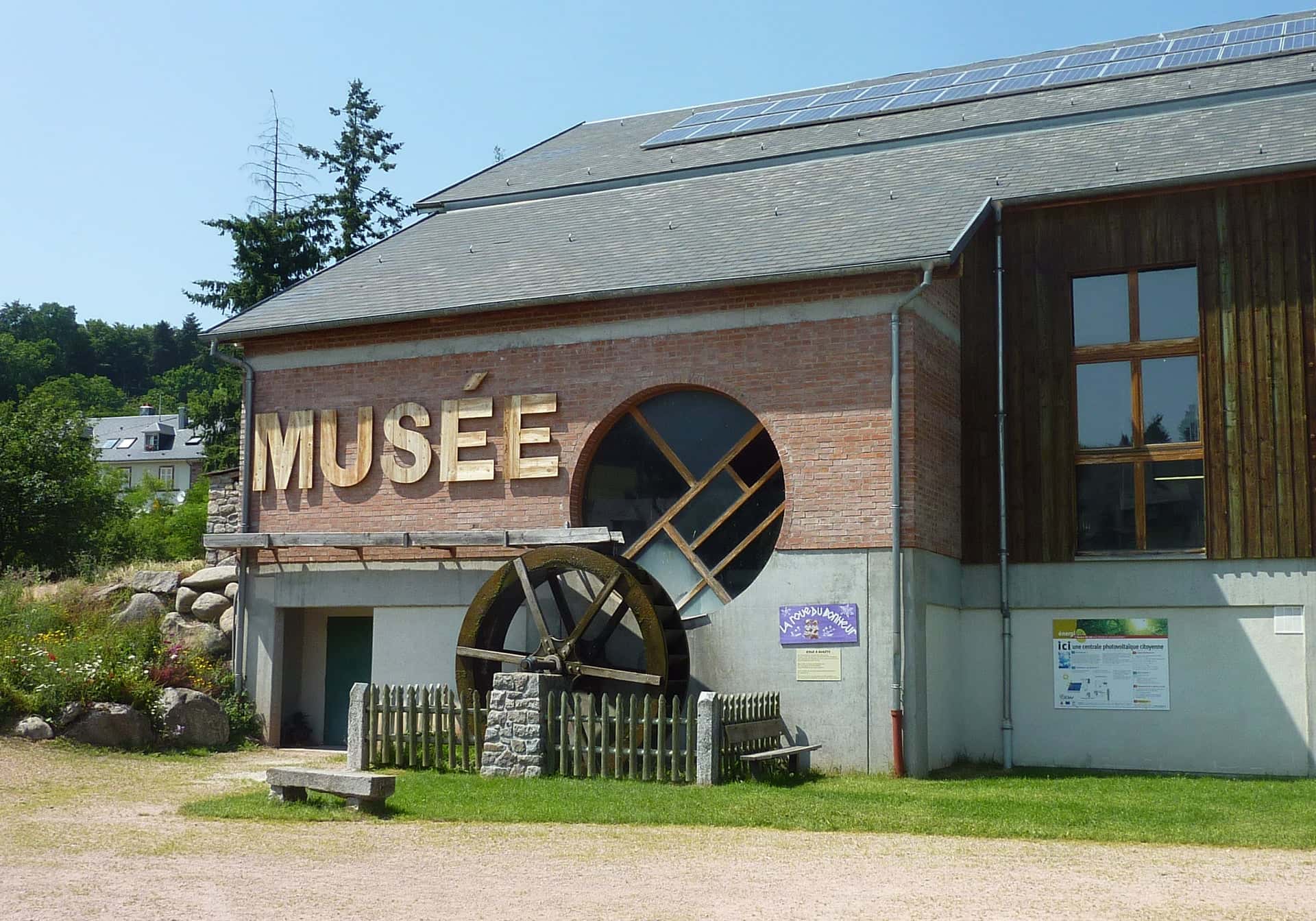
On this windswept plateau farming barely fed a family: until after the war it was the forest that kept Labaroche alive. The museum is about that work. You follow the journey of timber, from the woodcutter to the joiner, through rebuilt workshops (clog making, wheelwrighting, joinery, the forge, blade sharpening) and machines reassembled piece by piece: a hundred-and-thirty-year-old frame saw from the Orbey valley, a 1912 gang saw, an 1896 steam engine that still drives a whole network of belt transmissions. One room is given over to wooden toys, close to a thousand of them. Visits are guided only, and last about two hours.

History

The story of the place

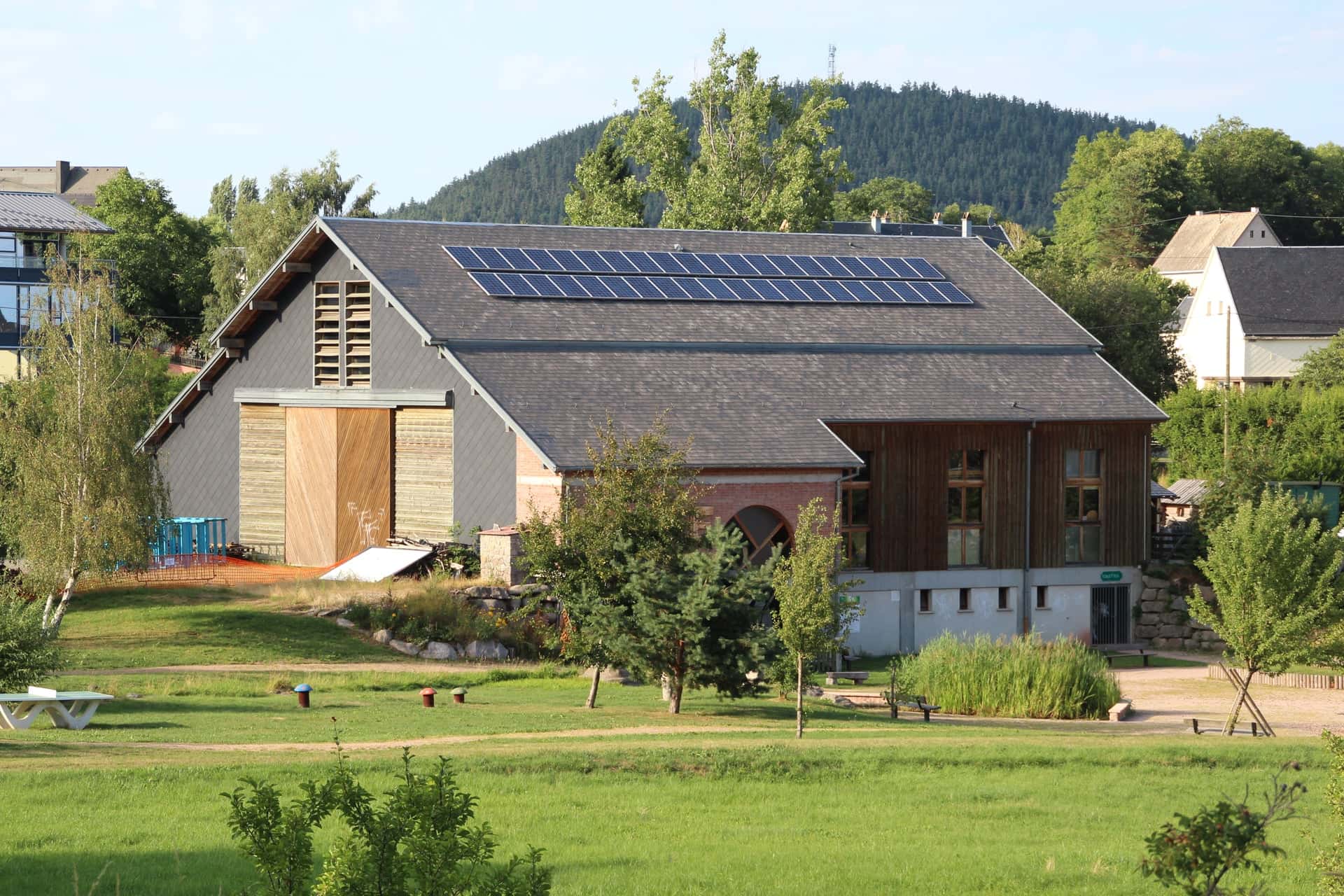
It starts in 1989, at a timber inspection meeting, when Georges Claudepierre and Gaby Locicero propose dedicating a place to the village's forestry heritage. The commune joins the project in 1990 and the volunteers go hunting for machines and entire workshops, which have to be dismantled, numbered, stored and rebuilt: ten years of work, forty-seven thousand hours. The grants come through in 1996, the land is bought, and the building goes up in 1997 using 360 m³ of timber from the communal forest, cut and worked by local firms. Work on the grounds starts in 1999 and the museum opens to the public in 2000. Around seventy people are active there today.

The must-sees

What you really shouldn't miss during your visit.

01

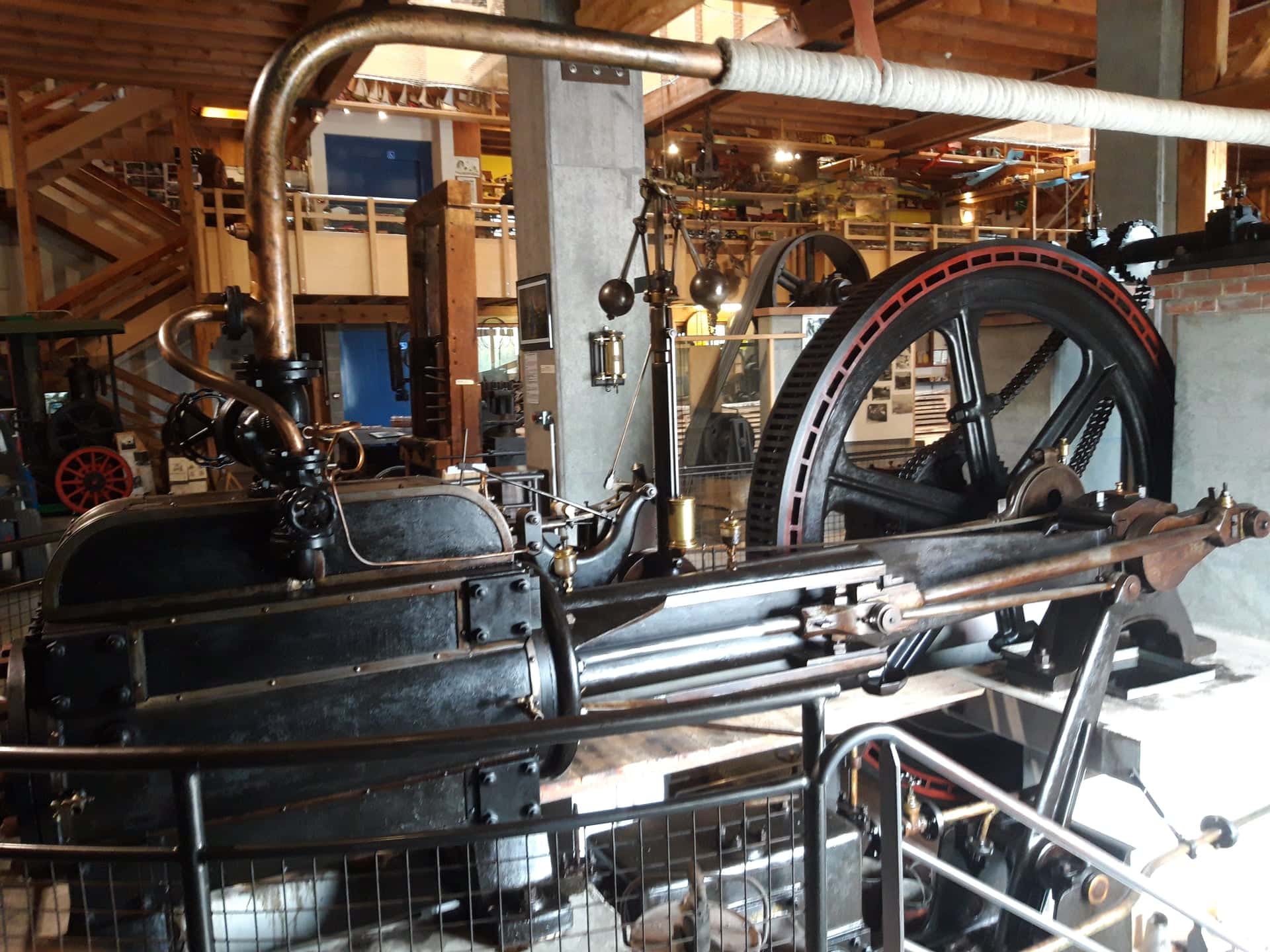
The 1896 steam engine

Built in Alsace, at Thann and Bitschwiller-lès-Thann, under American licence. It works like a locomotive, runs at a hundred revolutions per minute, and feeds the workshop machines through a whole network of shafts and leather belts.
02

The frame saw and the other saws

The museum's oldest mechanical saw is a hundred and thirty years old and came from the Orbey valley: it cuts at 1.20 metres per minute. Next to it, the 1912 gang saw takes a whole trunk in a single pass at around 3 metres per minute, and the pit saw is a reminder that before all this, two men could turn out twelve beams a day.

03

The workshops from before mechanisation

Woodcutter, wheelwright, clog maker, farmer, cooper, wood turner, joiner, carpenter, basket weaver: each trade has its rebuilt workshop and its tools, some of them rather odd.

04

Close to a thousand wooden toys

A room of its own, from very old pieces to more recent ones. This is usually where the parents linger longest.

05

Machines born of the war

Near the forge, machines the local craftsmen built from parts salvaged off tanks destroyed in the fighting of December 1944.

06

The cheese box workshop

The rim of the box is shaped on a large plane, the targeuse, which dates from 1856 and runs off a water wheel and wooden gears. Stapling the rim to the lid was the women's job. The workshop ran until the end of the 1960s.

Practical info

Opening hours

Open
1 April to 30 September 2026: Tuesday to Sunday, 9am to 12pm and 2pm to 6pm, public holidays included. 1 to 17 October: groups only, by reservation. 17 October to 1 November inclusive: Tuesday to Sunday, 9am to 12pm and 2pm to 6pm.
Closed
Mondays, except Monday 6 April and Monday 25 May 2026. Closed January to March, then from 2 November 2026 to 31 March 2027.

Tickets

  • Adults
    €8
  • Ages 6 to 17
    €4
  • Children under 6
    Free
  • Family
    1 or 2 adults and up to 5 children over 6 and under 18
    €18
  • Groups of 15 or more
    Reservation required
    €6.50
  • School groups
    Reservation required
    €2.50
  • Ircos or Cezam card, adult
    €6.50
  • Ircos or Cezam card, family
    €16

The place from several angles, to prepare your visit.

Museum of Woodworking Trades and Heritage, photo 1
Museum of Woodworking Trades and Heritage, photo 2
Museum of Woodworking Trades and Heritage, photo 3
Museum of Woodworking Trades and Heritage, photo 4
Museum of Woodworking Trades and Heritage, photo 5

Our tips before you go

  • 1The thing to know before you set off: visits are guided and last about two hours, so the last admissions are at 10am in the morning and 4pm in the afternoon. Turning up at 11.30am gets you nowhere.
  • 2Visits are run in French. German and English are possible, but for groups and by reservation only.
  • 3The building is not heated. In April and late October, dress as you would for a walk outdoors.
  • 4With children, aim for the spring, summer or autumn half-term holidays: child-friendly visits of about 1h30 run on Tuesdays and Thursdays at 10am, with a booklet and a riddle to solve.
  • 5The whole museum is accessible to pushchairs and wheelchairs, dogs are allowed, and the grounds have a picnic and play area. Parking is right across from the entrance.
  • 6From 1 to 17 October the museum only opens for groups by reservation. Call +33 (0)3 89 78 94 18 before making the drive.
  • 7Hohnack castle is in the same village: the museum in the morning, the climb to the castle in the afternoon, and the day holds together on its own.
  • 8The Muséums-PASS-Musées and the PASS Alsace are accepted, as are French holiday vouchers. Online booking takes card payment only.
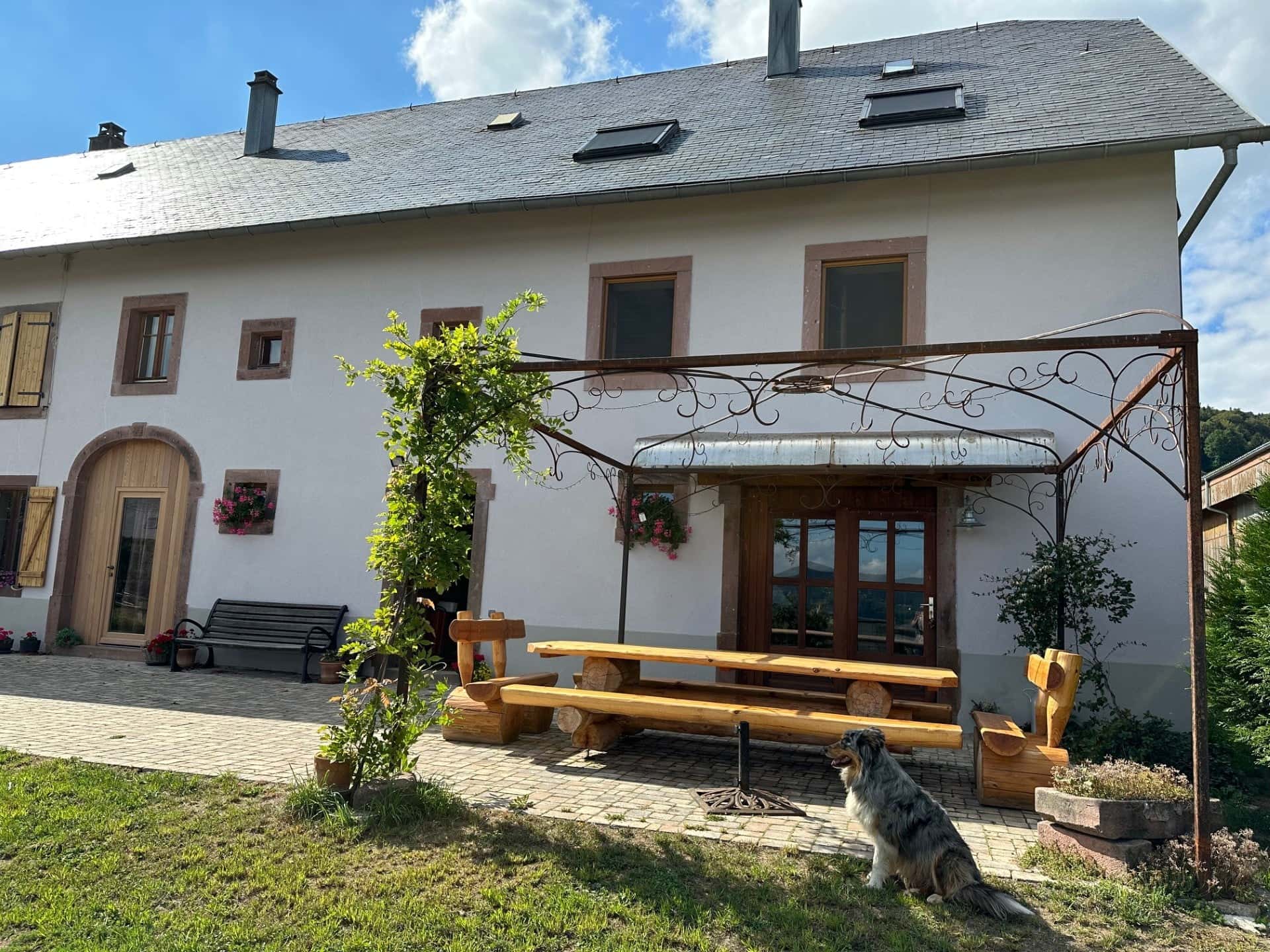
  • 9Allow about twenty minutes' drive from the gite.
Museum of Woodworking Trades and Heritage | Chez Cathy, Cottage & Caravan in Orbey